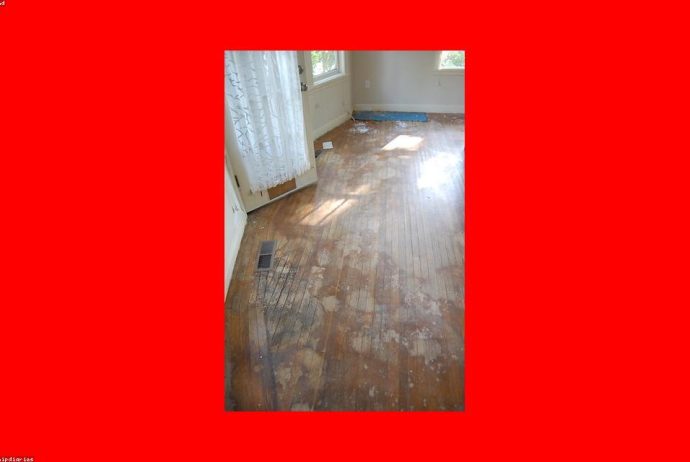
A good hardwood floor can last for decades, but only if you treat it as the natural material it is. Timber responds to heat, moisture and wear, and a little routine care goes a long way towards keeping it looking its best. This pillar guide brings together everything we wish every homeowner knew before they laid their first wooden floor.
Understand your finish
Before you clean anything, find out how your floor is finished. Oiled floors sit into the grain and can be spot repaired, while lacquered floors carry a protective surface film that should never be treated with oil. Using the wrong product is the quickest way to ruin an otherwise healthy floor, so when in doubt, check with the supplier or test in a hidden corner first.
Daily and weekly habits
Most wear comes from grit, not footsteps. Fine particles act like sandpaper underfoot, so regular sweeping or vacuuming with a soft brush head is the most valuable thing you can do. Place mats at exterior doors to catch the worst of the dirt, and encourage shoes off where you can. These small habits protect the finish far more effectively than any expensive product.
Cleaning without causing damage
Water is the natural enemy of wood. Never mop a timber floor with a soaking cloth or leave standing water to dry. Instead, use a barely damp microfibre mop and a cleaner designed specifically for wooden floors. Wipe spills the moment they happen, and avoid steam mops entirely, as the heat and moisture together can lift boards and cloud the finish.
Managing humidity
- Aim to keep indoor humidity reasonably stable across the year, as sudden swings cause the gapping and cupping people often blame on poor fitting.
- In dry winter months, central heating can shrink boards slightly; this usually settles as conditions even out.
- In damp coastal homes, good ventilation helps timber stay calm and flat.
Dealing with scratches and dents
Minor surface scratches on oiled floors can often be buffed out and re oiled in minutes. Lacquered floors are trickier and may need a professional touch for anything deep. For dents, a slightly damp cloth and a warm iron can sometimes raise crushed fibres, though this works best on raw or oiled timber rather than sealed surfaces.
Protecting against everyday life
Felt pads under furniture legs are inexpensive and prevent the ugly drag marks that appear when chairs are pushed back. Lift, do not slide, anything heavy. Use rugs in high traffic runs such as hallways, but choose breathable backings, since rubber mats can trap moisture and discolour the wood beneath them.
Knowing when to refinish
Even the best kept floor eventually looks tired. The good news with solid and thicker engineered boards is that a full sand and refinish brings them back to life. As a rough guide, a busy family floor might need this every seven to ten years, while a quiet room may go far longer. Plan for it rather than dreading it, because a freshly refinished floor often looks better than the day it was laid.
The long view
Caring for a hardwood floor is less about effort and more about consistency. Keep grit at bay, keep water away, manage your humidity and deal with small problems before they grow. Do that, and your floor will reward you with a warmth and character that no synthetic alternative can match.